Friday, January 17, 2025

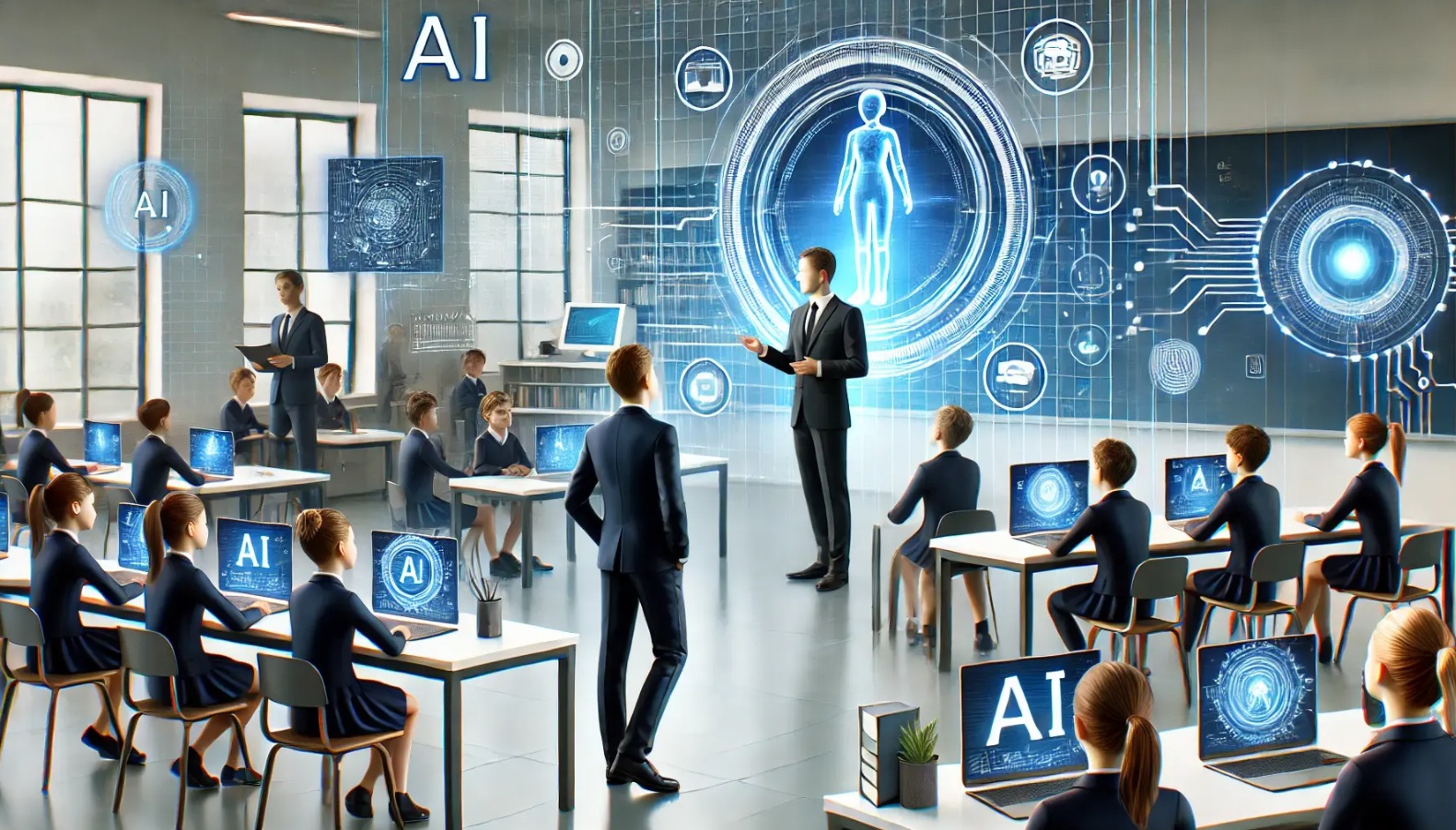
The Ways in Which Artificial Intelligence Is Improving the Quality of Education


Artificial intelligence (AI) is playing an increasingly significant role in transforming education, enhancing the quality of learning and teaching across multiple dimensions. Here are key ways in which AI is improving the quality of education:

1. Personalizing Learning Experiences

AI enables personalized learning pathways tailored to individual student needs. This improves the overall learning experience by:

- Adapting to Learning Styles: AI can adjust the delivery of content based on a student's pace and preferred learning style, ensuring that every student learns at their own speed.

- Targeting Weaknesses: By analyzing student performance, AI identifies specific areas where a student is struggling, offering targeted exercises to improve their understanding and skills.

- Dynamic Content: AI-powered platforms provide customized learning materials, ensuring that students are always challenged appropriately.

2. Supporting Diverse Learners

AI plays a crucial role in creating inclusive learning environments that cater to students with diverse learning needs:

- Special Education Tools: AI-based technologies help students with learning disabilities, offering features like text-to-speech, speech recognition, and real-time translation.

- Language Translation: AI tools can provide real-time translation, allowing non-native speakers to access content in their language and break down language barriers in multilingual classrooms.

- Assistive Technologies: AI helps create tools that accommodate visual, auditory, or mobility impairments, fostering a more accessible education for all.

3. Enhancing Teacher Effectiveness

AI can support teachers in several ways, improving their efficiency and effectiveness in the classroom:

- Automated Grading: AI helps with the grading of assignments, quizzes, and exams, especially those with multiple-choice or short-answer formats, freeing up teachers’ time to focus on personalized instruction.

- Data-Driven Insights: AI analyzes student data to provide teachers with insights on class performance, identifying trends, strengths, and areas where students may need additional support.

- Customized Lesson Planning: AI can recommend lesson plans, teaching materials, and activities that are aligned with students’ progress, helping teachers save time on preparation.

4. Facilitating Real-Time Feedback

AI enables immediate feedback on assignments and activities, helping students learn and improve quickly:

- Instant Assessment: AI tools provide automatic feedback on quizzes, homework, and other assignments, offering detailed insights into what was done well and where mistakes were made.

- Continuous Monitoring: AI tracks student engagement and performance in real-time, notifying educators about students who may need extra help or who are at risk of falling behind.

- Adaptive Feedback: AI systems can adjust their responses based on student performance, providing increasingly detailed or simpler explanations based on their level of understanding.


5. Improving Engagement and Motivation

AI-driven tools can enhance student engagement by making learning more interactive and fun:

- Gamification: AI introduces gamified elements into learning, using game mechanics to motivate students and make learning enjoyable. This could include point systems, leaderboards, or virtual rewards.

- Virtual Reality (VR) and Augmented Reality (AR): AI integrates with VR and AR technologies to create immersive learning environments where students can explore historical events, scientific processes, or complex math problems in 3D.

- Interactive Chatbots: AI-powered chatbots provide students with real-time assistance, answering questions and helping with homework, ensuring that they feel supported at all times.

6. Promoting Collaboration and Social Learning

AI tools facilitate collaboration between students, improving the quality of teamwork and peer learning:

- Smart Grouping: AI can identify students with complementary skills or learning levels and group them together for collaborative activities, ensuring that students work effectively together.

- Global Collaboration: AI enables cross-border collaboration, allowing students from different parts of the world to work together on projects, broadening their perspectives and encouraging diversity.

- Virtual Classrooms: AI enables virtual learning platforms that allow students to collaborate and engage in discussions, regardless of their physical location.

7. Automating Administrative Tasks

AI reduces the administrative burden on teachers and educational institutions, allowing them to focus more on teaching:

- Enrollment and Scheduling: AI systems help automate student enrollment, class scheduling, and resource allocation, saving time and ensuring efficiency.

- Data Management: AI tools help in managing large volumes of student data, including grades, attendance, and performance reports, making it easier for schools to track progress and make informed decisions.

- Report Generation: AI can automatically generate detailed progress reports, summarizing a student's achievements, areas for improvement, and overall performance.

8. Encouraging Lifelong Learning

AI supports continuous education by providing learners with the tools they need to continue their education throughout their lives:

- Adaptive Learning Platforms: AI allows learners to engage with educational content at their convenience, offering adaptive learning solutions for non-traditional students, such as working professionals or retirees.

- Online Courses and Microlearning: AI curates personalized learning experiences through online platforms, making it easier for individuals to learn new skills or pursue further education at their own pace.

- Career Development: AI-driven platforms can assess the skills required for various professions and suggest relevant courses or programs for individuals looking to upskill or change careers.

9. Reducing Learning Gaps

AI can help reduce the achievement gap by offering additional resources to students who need them most:

- Targeted Intervention: AI can identify at-risk students and provide personalized interventions, ensuring that every student receives the support they need to succeed.

- Real-Time Monitoring: AI systems track student progress continuously, allowing for early identification of learning gaps and the timely deployment of resources to address them.

- Accessible Learning Resources: AI makes learning materials more accessible to students in underserved or remote areas, providing high-quality content regardless of location or socioeconomic status.

10. Future-Ready Education

AI prepares students for the future by fostering skills that are essential in an increasingly technology-driven world:

- Critical Thinking and Problem Solving: AI tools encourage students to solve complex problems, fostering skills in critical thinking and creativity.

- STEM Focus: AI enables more effective learning in STEM (science, technology, engineering, and mathematics) subjects by offering interactive lessons and simulations that help students grasp abstract concepts.

- Technological Literacy: AI tools help students become comfortable with the technology that will shape their future careers, ensuring they are well-prepared for the job market.

Conclusion

AI is fundamentally transforming the quality of education by personalizing learning, enhancing teacher effectiveness, and providing real-time support to both students and educators. Through automation, engagement, and accessibility, AI fosters an environment where all learners can thrive. With its continued evolution, AI will play an even greater role in shaping the future of education.


"This Content Sponsored by Buymote Shopping app

BuyMote E-Shopping Application is One of the Online Shopping App

Now Available on Play Store & App Store (Buymote E-Shopping)

Click Below Link and Install Application: https://buymote.shop/links/0f5993744a9213079a6b53e8

Sponsor Content: #buymote #buymoteeshopping #buymoteonline #buymoteshopping #buymoteapplication"

Saturday, January 11, 2025

Why AI Will Never Be Able to Replace Humans in the Field of Education?


The advancement of artificial intelligence (AI) has revolutionized many industries, including education. AI-powered tools have enhanced learning experiences, streamlined administrative tasks, and offered personalized learning pathways. However, despite its growing role, AI can never fully replace human educators. Here’s why:

1. Emotional Intelligence and Empathy

Human educators bring emotional intelligence to the classroom, an area where AI falls short. Teachers can:

- Build Emotional Connections: Establish trust, motivate students, and provide emotional support.

- Recognize Emotional Cues: Identify when a student is frustrated, disengaged, or overwhelmed and respond accordingly.

- Foster Belonging: Create an inclusive and nurturing environment, critical for effective learning.

AI lacks the ability to truly understand and address the emotional and psychological needs of students, which are integral to the educational process.

2. Adaptability and Intuition

Education is dynamic, requiring teachers to:

- Adjust to Classroom Dynamics: Modify lesson plans based on student engagement or comprehension levels in real time.

- Think Creatively: Introduce innovative methods to explain difficult concepts or address unique classroom challenges.

- Handle the Unexpected: Respond to unforeseen situations with intuition and adaptability, something AI cannot emulate.

AI operates within the constraints of its programming and struggles with spontaneous, unstructured scenarios.

3. Moral and Ethical Guidance

Education isn’t solely about academics; it’s also about character building. Teachers:

- Guide Ethical Reasoning: Help students navigate moral dilemmas and develop a sense of right and wrong.

- Model Integrity: Serve as examples of ethical behavior, inspiring students through personal experiences.

- Address Complex Situations: Offer nuanced advice and support in areas where ethical questions may not have clear answers.

AI lacks the moral compass and contextual understanding required to handle such responsibilities effectively.

4. Social Skill Development

The classroom is a critical space for developing social and interpersonal skills. Teachers:

- Encourage Collaboration: Facilitate teamwork and group activities that teach cooperation and communication.

- Mediate Conflicts: Resolve disputes and foster healthy relationships among students.

- Model Social Behavior: Demonstrate how to interact respectfully and empathetically with others.

AI cannot replicate the authenticity of human interaction necessary for developing these skills.


5. Contextual and Cultural Sensitivity

Teachers bring cultural awareness and a deep understanding of societal contexts to education. They:

- Adapt to Local Needs: Tailor lessons to reflect the cultural and social backgrounds of their students.

- Address Biases: Identify and counteract stereotypes or misconceptions in real time.

- Promote Diversity: Encourage appreciation for different perspectives and traditions.

AI, being a product of its programming and data, is often limited by inherent biases and lacks true cultural awareness.

6. Encouraging Creativity and Critical Thinking

Teachers play a vital role in fostering intellectual growth by:

- Asking Thought-Provoking Questions: Stimulating curiosity and critical analysis.

- Facilitating Discussions: Guiding debates that encourage diverse viewpoints and deeper understanding.

- Encouraging Risk-Taking: Providing a safe environment for students to experiment and learn from failures.

AI, while efficient at providing answers, struggles to inspire original thought or guide nuanced discussions.

7. Ethical and Practical Concerns of AI in Education

Relying heavily on AI in education raises significant concerns:

- Loss of Human Touch: Over-reliance on AI can make education feel impersonal and transactional.

- Data Privacy Issues: AI systems require large amounts of student data, posing risks to privacy and security.

- Widening Inequality: Students in underprivileged areas may lack access to the technology needed for AI-driven education.

These challenges underscore the importance of maintaining a human-centered approach to learning.

8. AI as a Partner, Not a Replacement

While AI cannot replace human educators, it can complement their work by:

- Personalizing Learning: Providing adaptive tools that cater to individual student needs.

- Automating Tasks: Handling routine tasks like grading, freeing up teachers to focus on teaching.

- Enhancing Accessibility: Offering resources for students with disabilities or language barriers.

The synergy between AI and educators can enhance the learning experience without diminishing the human touch.

Conclusion

AI is a powerful tool that can augment education, but it cannot replace the multifaceted role of human teachers. Education is not just about imparting knowledge; it’s about nurturing minds, fostering connections, and shaping futures. Teachers bring empathy, creativity, and moral guidance to the classroom—qualities that AI cannot replicate. The future of education lies in leveraging AI to support, not replace, the indispensable role of human educators.


"This Content Sponsored by Buymote Shopping app

BuyMote E-Shopping Application is One of the Online Shopping App

Now Available on Play Store & App Store (Buymote E-Shopping)

Click Below Link and Install Application: https://buymote.shop/links/0f5993744a9213079a6b53e8

Sponsor Content: #buymote #buymoteeshopping #buymoteonline #buymoteshopping #buymoteapplication"
Friday, January 3, 2025

Accepting Change: The Ways in Which Financial Institutions Are Taking Advantage of Digital Innovation


Financial institutions, once bastions of tradition and slow-moving processes, are undergoing a rapid transformation fueled by digital innovation.  This shift is not simply about adopting new technologies; it's about fundamentally reimagining the customer experience and operational efficiency.  Below are some key ways financial institutions are leveraging digital innovation:

I. Enhanced Customer Experience:

Personalized Services:  AI-powered platforms analyze customer data to offer tailored financial advice, product recommendations, and proactive support. This moves beyond generic marketing to create truly individualized experiences.

Omnichannel Accessibility: Customers expect seamless interactions across multiple channels – mobile apps, online banking portals, in-person branches, and even social media.  Financial institutions are investing heavily in integrating these channels to provide consistent and convenient service.

Improved User Interfaces (UI) and User Experiences (UX): Intuitive and user-friendly interfaces are crucial for attracting and retaining customers.  Modern design principles and streamlined navigation are making financial transactions simpler and more enjoyable.

Real-Time Interactions: Instant account updates, immediate transaction confirmations, and 24/7 access to customer service are becoming the standard, driven by advancements in real-time data processing and communication technologies.

II. Streamlined Operations and Efficiency:

Automation of Processes: Robotic Process Automation (RPA) and other automation technologies are streamlining repetitive tasks, such as data entry and account reconciliation, significantly reducing operational costs and human error.

Cloud Computing:  Migrating to cloud-based infrastructure offers scalability, flexibility, and cost savings.  It allows institutions to adapt to fluctuating demands and easily deploy new services.

Data Analytics and Business Intelligence:  Advanced analytics tools provide valuable insights into customer behavior, market trends, and risk management. This data-driven approach informs strategic decision-making and improves overall performance.

Cybersecurity Enhancements:  With the increasing reliance on digital technologies, robust cybersecurity measures are paramount.  Financial institutions are investing in advanced threat detection, prevention, and response systems to protect sensitive customer data.


III. Expanding Financial Inclusion:

Fintech Partnerships: Collaborations with fintech companies are bringing innovative solutions to underserved populations. This includes mobile banking solutions, micro-lending platforms, and alternative credit scoring models.

Digital Onboarding:  Simplified and streamlined digital onboarding processes are reducing barriers to entry for new customers, particularly those in remote areas or with limited access to traditional banking services.

Accessible Technologies:  Financial institutions are adapting their digital platforms to be accessible to individuals with disabilities, ensuring equal access to financial services.

IV.  Emerging Technologies and Future Trends:

Blockchain Technology:  Blockchain's potential for secure and transparent transactions is being explored for applications like cross-border payments, KYC/AML compliance, and supply chain finance.

Artificial Intelligence (AI) and Machine Learning (ML): AI and ML are playing an increasingly significant role in fraud detection, risk assessment, and personalized financial advice.

Open Banking:  The adoption of open banking APIs is fostering innovation by allowing third-party developers to create new financial products and services.


"This Content Sponsored by Buymote Shopping app

BuyMote E-Shopping Application is One of the Online Shopping App

Now Available on Play Store & App Store (Buymote E-Shopping)

Click Below Link and Install Application: https://buymote.shop/links/0f5993744a9213079a6b53e8

Sponsor Content: #buymote #buymoteeshopping #buymoteonline #buymoteshopping #buymoteapplication"

Friday, December 27, 2024

The Crucial Function of Human Resources in the Context of an Information Security Program


Human Resources (HR) departments are often overlooked as key players in information security, yet their involvement is crucial for the success of any security program.  A strong security posture relies not only on technology, but also on the people who use and manage it. HR's role spans the entire employee lifecycle, from recruitment to offboarding, significantly impacting an organization's vulnerability to security threats.

I. Recruitment and Onboarding: Building a Security-Conscious Workforce

Security Awareness Training Integration:  HR can integrate mandatory security awareness training into the onboarding process for all new hires, setting the tone for a security-conscious culture from day one. This training should cover topics such as phishing awareness, password security, social engineering, and acceptable use policies.

Background Checks and Vetting:  Thorough background checks, particularly for roles with access to sensitive data, are essential to mitigate the risk of hiring individuals with malicious intent or a history of security breaches. HR plays a central role in implementing and managing these processes.

Security-Focused Job Descriptions: HR should collaborate with IT security to ensure job descriptions accurately reflect the security responsibilities associated with each role.  This clarity helps attract candidates with the appropriate skills and awareness.

II. Ongoing Employee Management and Development: Fostering a Culture of Security

Reinforcement of Security Policies: HR is responsible for communicating and enforcing company security policies. This includes regular updates and reminders, ensuring employees understand and comply with the organization's security standards.

Incident Reporting and Response:  HR should establish clear procedures for reporting security incidents, ensuring employees feel comfortable reporting suspicious activities without fear of retribution.  They also play a role in managing investigations and disciplinary actions following security breaches.

Continuous Security Awareness Training:  Security awareness is not a one-time event. HR should facilitate ongoing training and refreshers to keep employees updated on evolving threats and best practices.  Gamification and engaging content can significantly improve training effectiveness.

Promoting a Culture of Security: HR can actively promote a security-conscious culture through internal communications, leadership engagement, and recognition programs that reward secure behaviors.


III. Offboarding and Separation: Minimizing Data Loss Risks

Secure Data Removal:  HR should ensure that all access to company systems and data is revoked upon employee termination or resignation, minimizing the risk of data breaches or unauthorized access.  This includes disabling accounts, revoking access cards, and securely retrieving company-owned devices.

Exit Interviews and Data Security: Including questions about data security practices and potential vulnerabilities in exit interviews can provide valuable insights and help improve future security measures.

Non-Disclosure Agreements (NDAs): HR is crucial in ensuring that all employees with access to sensitive information sign and understand NDAs, protecting the organization's intellectual property and confidential data.

IV. Collaboration and Communication: A Multi-Disciplinary Approach

Effective information security requires collaboration between HR, IT security, and other departments. HR should actively participate in security risk assessments, incident response planning, and the development of security policies. Open communication channels are crucial for sharing information, coordinating efforts, and ensuring a cohesive approach to security.


"This Content Sponsored by Buymote Shopping app

BuyMote E-Shopping Application is One of the Online Shopping App

Now Available on Play Store & App Store (Buymote E-Shopping)

Click Below Link and Install Application: https://buymote.shop/links/0f5993744a9213079a6b53e8

Sponsor Content: #buymote #buymoteeshopping #buymoteonline #buymoteshopping #buymoteapplication"

Friday, December 20, 2024

What role does social media play in the process of investing in cryptocurrencies, and at what point?

Social media plays a significant, albeit often problematic, role in the cryptocurrency investment process.  Its influence spans from information dissemination to market manipulation, impacting both novice and experienced investors.

1. Information Dissemination and Education:

Accessibility to News and Analysis: Social media platforms like Twitter, Telegram, and Reddit host numerous communities dedicated to cryptocurrency. These platforms provide readily accessible news updates, price charts, technical analysis, and fundamental research, often faster than traditional financial news outlets.  This allows investors to stay abreast of market trends and developments in real-time.

Educational Resources and Tutorials: Many influencers and educators utilize platforms like YouTube and TikTok to share educational content on various aspects of cryptocurrency, from basic concepts to advanced trading strategies.  This democratizes access to information that might otherwise be exclusive to finance professionals.

Community-driven Learning:  Social media fosters a sense of community, allowing investors to learn from each other's experiences, share insights, and discuss market trends.  This peer-to-peer learning can be valuable, though it should be approached with caution.

2. Market Sentiment and Price Volatility:

Amplified Sentiment: Social media can amplify market sentiment, leading to rapid price swings. Positive news or endorsements from influential figures can trigger buying frenzies (FOMO – Fear Of Missing Out), while negative news or controversies can cause rapid sell-offs (FUD – Fear, Uncertainty, and Doubt).  This creates a highly volatile market susceptible to emotional reactions.

Viral Trends and Meme Coins:  The viral nature of social media has led to the rise of "meme coins," cryptocurrencies whose value is primarily driven by online hype and speculation rather than any inherent utility or value.  These trends can be lucrative for early adopters but carry extremely high risk.

Influencer Marketing and Pump-and-Dump Schemes:  Influencers with large followings can significantly influence the price of cryptocurrencies. While some provide genuine insights, others engage in manipulative practices, such as promoting a coin to artificially inflate its price before selling their holdings, leaving followers with losses (pump-and-dump schemes).

3. Risk and Misinformation:

Spread of Misinformation: Social media is notorious for the spread of misinformation and scams.  Fake news, misleading information, and fraudulent projects are prevalent, making it crucial for investors to critically evaluate information sources.

Lack of Regulation and Oversight: The decentralized nature of cryptocurrencies and the relatively unregulated nature of social media makes it difficult to control the spread of false or misleading information.  This creates a higher risk environment for investors.

Emotional Decision-Making: The constant stream of information and the pressure to keep up with market trends on social media can lead to emotional decision-making, encouraging impulsive trades based on hype rather than rational analysis.

4.  Community Building and Networking:

Finding Investment Opportunities: Social media groups and forums can connect investors with potential projects and opportunities. This can be valuable for discovering promising new projects before they become widely known.

Networking with Professionals: Engaging with cryptocurrency experts, developers, and investors on social media can provide valuable insights and opportunities for collaboration.

In conclusion, social media plays a dual role in cryptocurrency investment. While it offers advantages like increased information access and community building, it also presents substantial risks due to misinformation, volatility, and manipulative practices.  Investors should exercise extreme caution, critically evaluate information sources, diversify their investments, and avoid making emotional decisions solely based on social media trends.


"This Content Sponsored by Buymote Shopping app

BuyMote E-Shopping Application is One of the Online Shopping App

Now Available on Play Store & App Store (Buymote E-Shopping)

Click Below Link and Install Application: https://buymote.shop/links/0f5993744a9213079a6b53e8

Sponsor Content: #buymote #buymoteeshopping #buymoteonline #buymoteshopping #buymoteapplication"


Tuesday, December 10, 2024

3 Essential Components That Have a Significant Impact on the Achievement of a Digital Transformation


Three essential components significantly impacting the achievement of digital transformation are:

1. People & Culture:

This is arguably the most crucial element.  Digital transformation isn't just about technology; it's about changing how people work, think, and interact.  This includes:

Leadership Buy-in and Vision:  Strong leadership is vital to championing the change, allocating resources, and setting a clear vision.  Without executive sponsorship, digital transformation initiatives often stall.

Employee Engagement and Training: Employees need to understand the "why" behind the transformation and be equipped with the skills and knowledge to use new technologies effectively.  Resistance to change is a major hurdle, and proper training and communication can mitigate this.

Adaptable and Agile Workforce: A culture that embraces change, experimentation, and continuous learning is essential for navigating the dynamic landscape of digital technologies.

2. Process & Data: 

Technology is only as good as the processes and data it supports.  Effective digital transformation requires:

Optimized Business Processes:  Digital technologies should streamline and improve existing processes, not just automate them. This involves identifying inefficiencies, redesigning workflows, and integrating systems.

Data-Driven Decision Making:  Collecting, analyzing, and utilizing data effectively is crucial for informed decision-making and measuring the success of digital initiatives.  This includes investing in data analytics capabilities and establishing a data governance framework.

Integration and Interoperability: Different systems and applications need to seamlessly work together to avoid data silos and ensure a unified view of the business.


3. Technology & Infrastructure: 

While not the only component, the right technology and infrastructure are essential for enabling digital transformation. This includes:

Modern Infrastructure:  A robust and scalable IT infrastructure is needed to support new applications, data storage, and security requirements. This could involve cloud adoption, improved network capabilities, and cybersecurity measures.

Strategic Technology Selection: Choosing the right technologies (e.g., CRM, ERP, AI, IoT) aligned with business goals and integrating them effectively is critical.  Avoid unnecessary complexity and focus on solutions that deliver real value.

Cybersecurity:  Protecting sensitive data and systems is paramount. A strong cybersecurity strategy is essential to prevent breaches and ensure business continuity.

Without a strong foundation in all three – people, process & data, and technology & infrastructure – digital transformation efforts are unlikely to succeed.  These components are interconnected and mutually reinforcing.  Neglecting any one of them significantly compromises the overall effectiveness of the transformation.


"This Content Sponsored by Buymote Shopping app

BuyMote E-Shopping Application is One of the Online Shopping App

Now Available on Play Store & App Store (Buymote E-Shopping)

Click Below Link and Install Application: https://buymote.shop/links/0f5993744a9213079a6b53e8

Sponsor Content: #buymote #buymoteeshopping #buymoteonline #buymoteshopping #buymoteapplication"

Friday, December 6, 2024

A few ideas on how to make better use of technology in order to strengthen human connections


Leveraging technology to strengthen human connections can enhance relationships, promote understanding, and foster community. Here are some ideas to consider:

Using Technology to Strengthen Human Connections

1. Virtual Reality Meetups: Use VR platforms to create immersive environments where people can socialize, attend events, or participate in activities together, creating a more engaging experience than traditional video calls.

2. Collaborative Online Spaces: Set up platforms for creative collaboration, such as shared workspaces (like Miro or Notion) where friends, family, or colleagues can brainstorm, plan projects, or simply share ideas in real time.

3. Hybrid Events: Organize hybrid events that combine in-person gatherings with virtual participation, allowing more people to join conversations and activities regardless of their geographical location.

4. Digital Storytelling Projects: Encourage people to share their stories through blogs, podcasts, or video series. This can create profound connections by allowing individuals to understand each other’s backgrounds and experiences more deeply.

5. Interest-Based Apps: Utilize platforms like meetup.com or niche community forums to connect people with similar interests, hobbies, or goals, promoting networking and friendships that might not occur otherwise.

Tech Tips for Building Stronger Human Bonds

1. Mindfulness and Well-being Apps: Use applications that encourage group mindfulness or meditation sessions. Practicing together can help people bond over shared experiences and improve mental health.

2. Shared Virtual Activities: Engage in shared activities over the internet, such as gaming, book clubs, or cooking classes, using platforms that enable multi-user participation.

3. Digital Gratitude Journals: Create or use apps where individuals can share what they’re grateful for with friends or family, fostering positivity and deeper appreciation for one another.

4. Family and Friends Calendars: Implement shared digital calendars that allow family and friends to schedule regular catch-ups, game nights, or collaborative events, maintaining connection despite busy schedules.

Connecting in the Digital Age: Tips for Using Technology Effectively

1. AI-Driven Connection Recommendations: Develop algorithms that suggest connections based on shared interests, values, or past interactions, helping individuals find new friends or networks.

2. Photo and Memory Sharing Platforms: Use apps where users can share photos and memories with friends and family, prompting conversations and reminiscence and helping create deeper emotional ties.

3. Crowdsourced Community Projects: Facilitate community engagement through technology by organizing crowdsourced projects (like neighborhood clean-ups or communal gardens) that connect people and encourage teamwork.

By thoughtfully integrating technology in these ways, we can enhance human connections and foster deeper relationships in a digital age.


"This Content Sponsored by Buymote Shopping app

BuyMote E-Shopping Application is One of the Online Shopping App

Now Available on Play Store & App Store (Buymote E-Shopping)

Click Below Link and Install Application: https://buymote.shop/links/0f5993744a9213079a6b53e8

Sponsor Content: #buymote #buymoteeshopping #buymoteonline #buymoteshopping #buymoteapplication"